Traces
MADA Gallery
Monash University, Faculty of Art Design and Architecture
11 March to 1 April, 2023
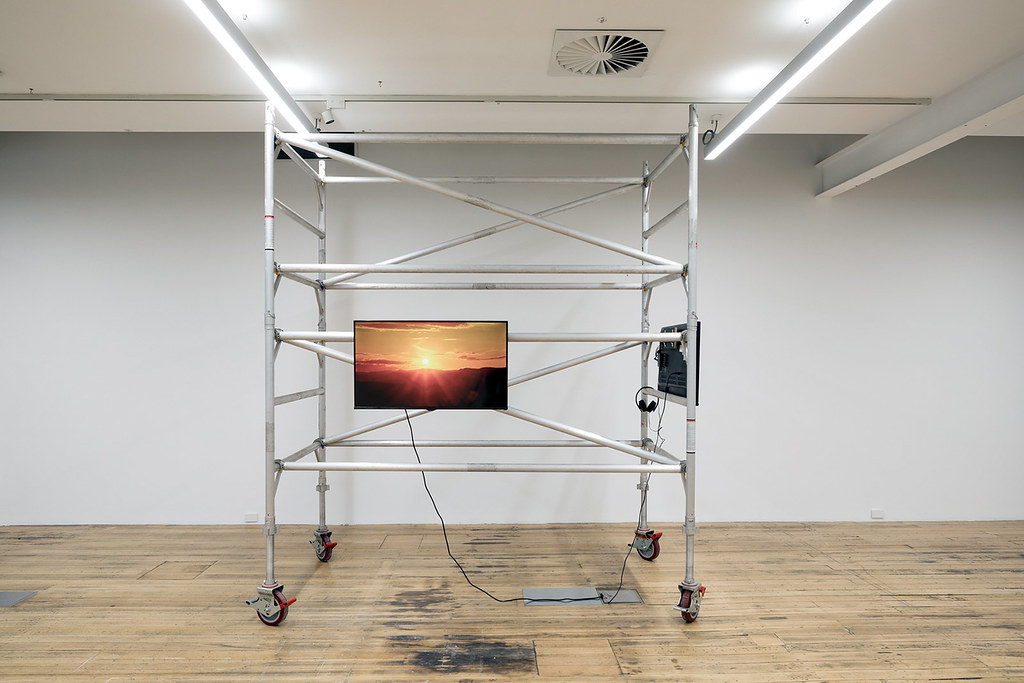

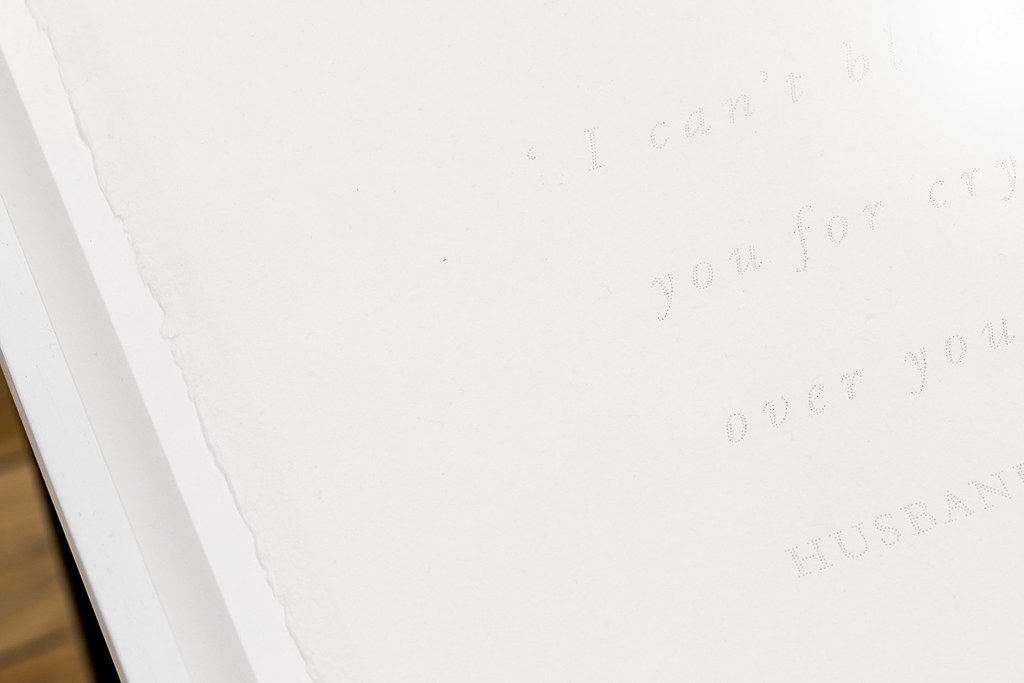
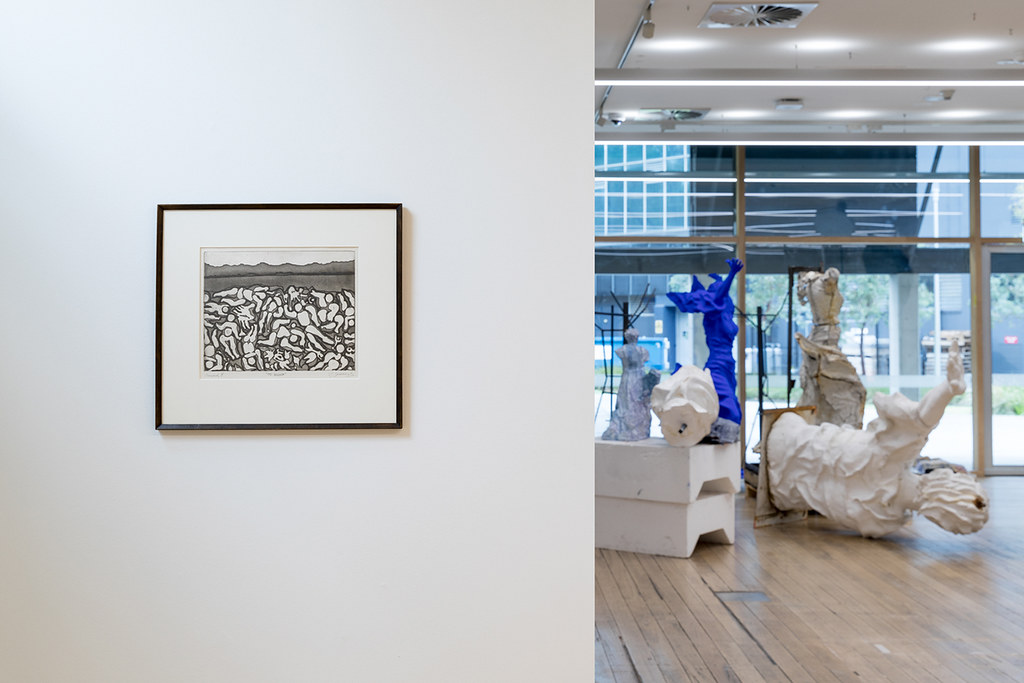

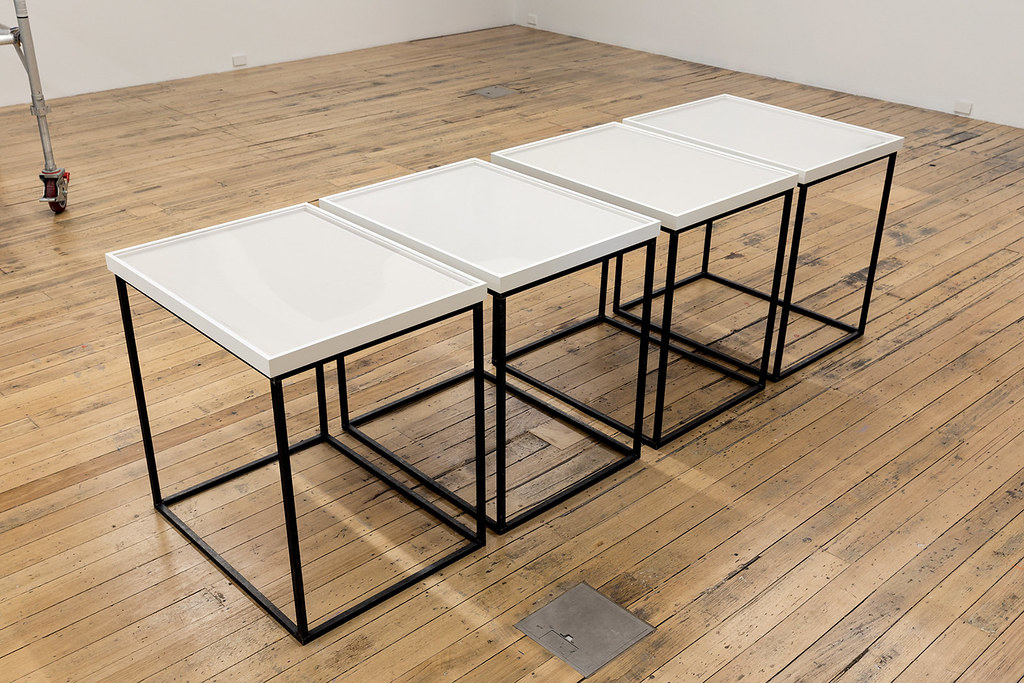
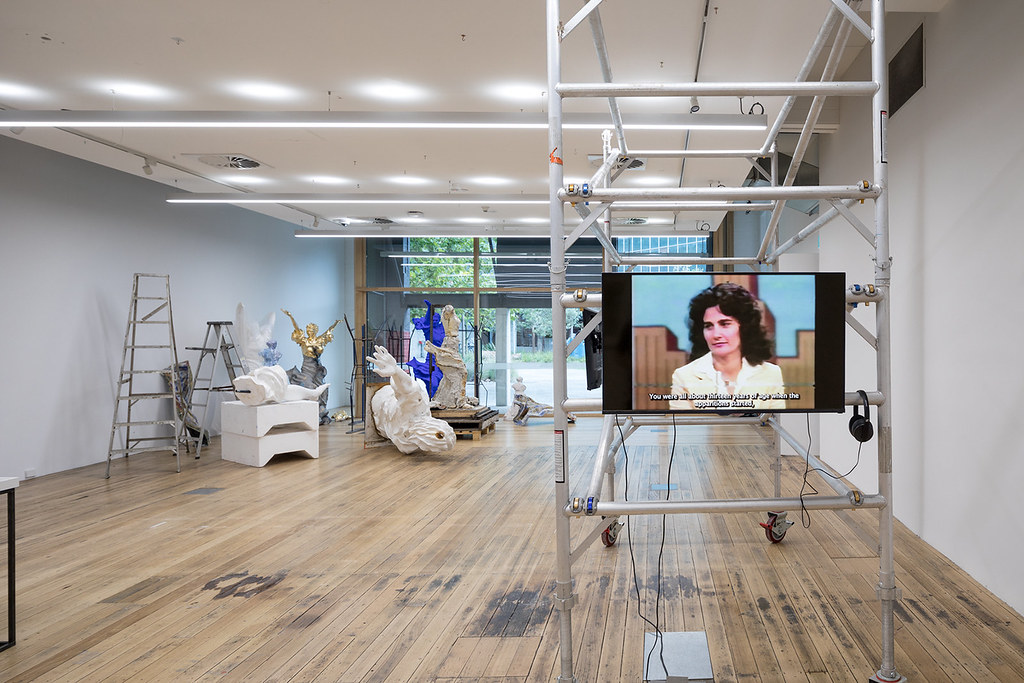
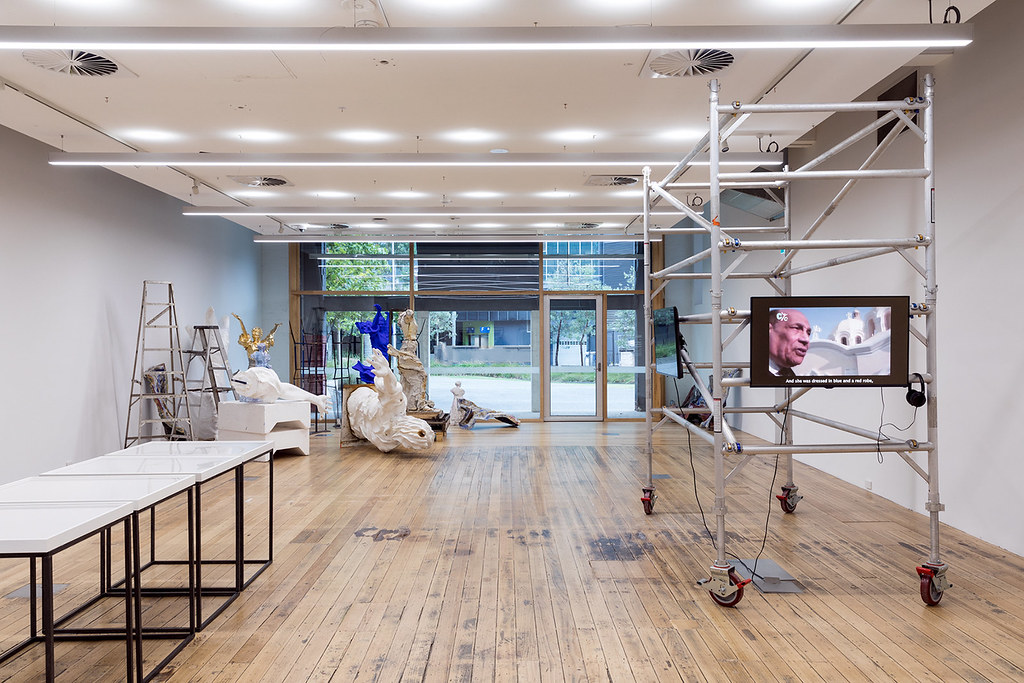

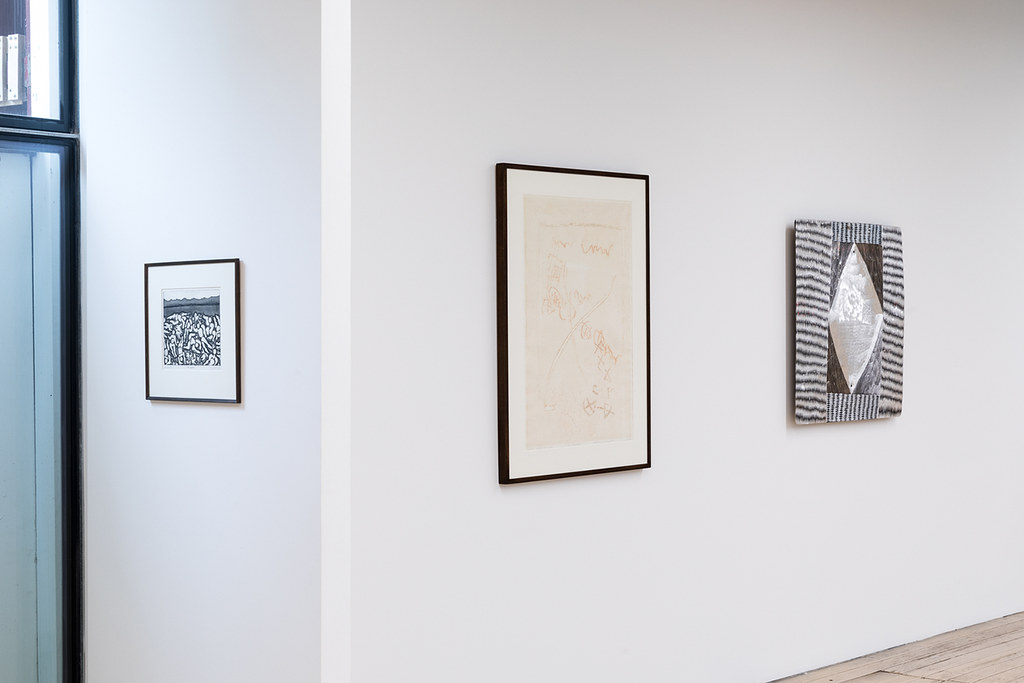

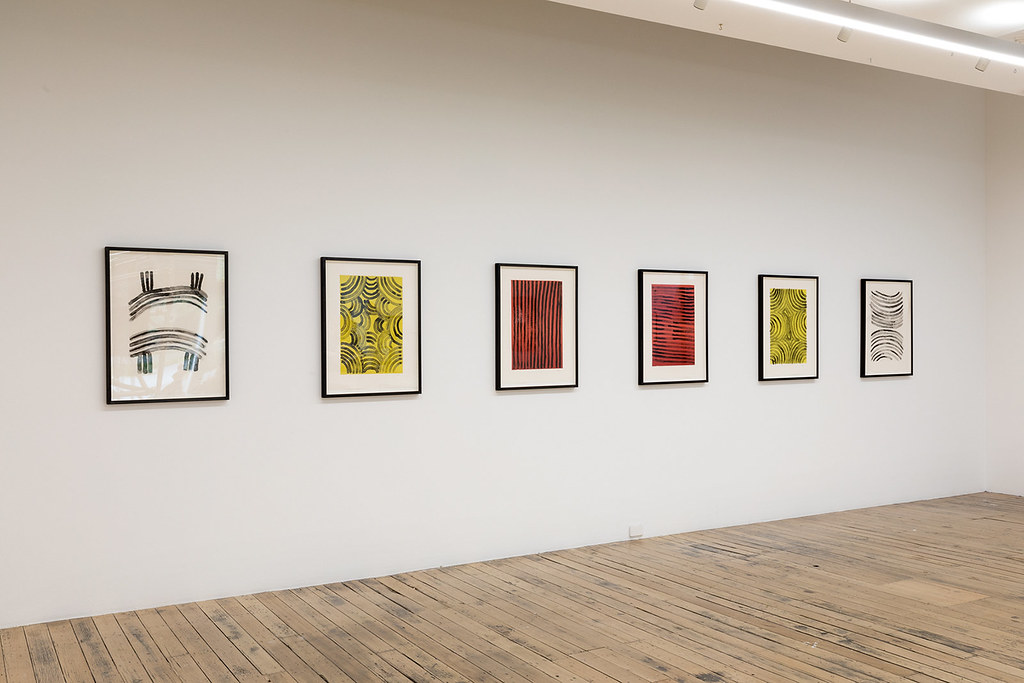
Exhibition Documentation: Andrew Curtis
Traces is the first exhibition in the MADA Gallery curated by Chantelle Mitchell and Jaxon Waterhouse as part of The line is life itself. The exhibition features work by Hideo Hagiwara, Gladys Kemarre, Kate O’Boyle, Stanislava Pinchuk, Nina Sanadze, Udo Sellbach, Ana Vaz and Wanapati Yunupiŋu, with additional contributions from Vanessa Berry.
Traces reckons with what remains and what is carried forward, in an exhibition uniting new and existing work with selected prints and etchings from the Monash Collection. An acknowledgement of the trace invites considerations of formation of time, memory, place and understanding but additionally, recognises marking, impact, effect and consequence as fundamental in the creation of relationships, narratives and structures which construct individual and social realities.
Drawing from the work of anthropologist Tim Ingold, a self-identified linealogist, Traces is the first exhibition in The line is life itself — a series of exhibitions for MADA Gallery throughout 2023 interrogating taxonomies of the line. Central undercurrents within this exhibition are considerations of memory or memorial, with the trace recognised as the persistence of an action past its initial register. Exploring this through physical, material, speculative and hauntological frames, the works presented in Traces consider the endurance of contact and encounter.
ROOM SHEET
CATALOGUE ESSAY